Thursday, September 10, 2015

Chapter 2.2


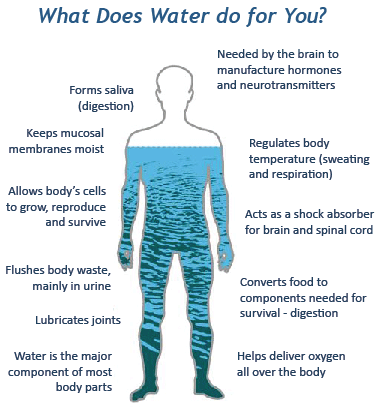
You are made up of about 65% of Water!!

Section 2.2
Structure of Water....


How do fish survive a cold winter if their pond freezes? Most substances contract when frozen, water expands. Water is less dense as a solid (ice) than as a liquid. It acts as an insulator that allows water underneath to remain a liquid. 

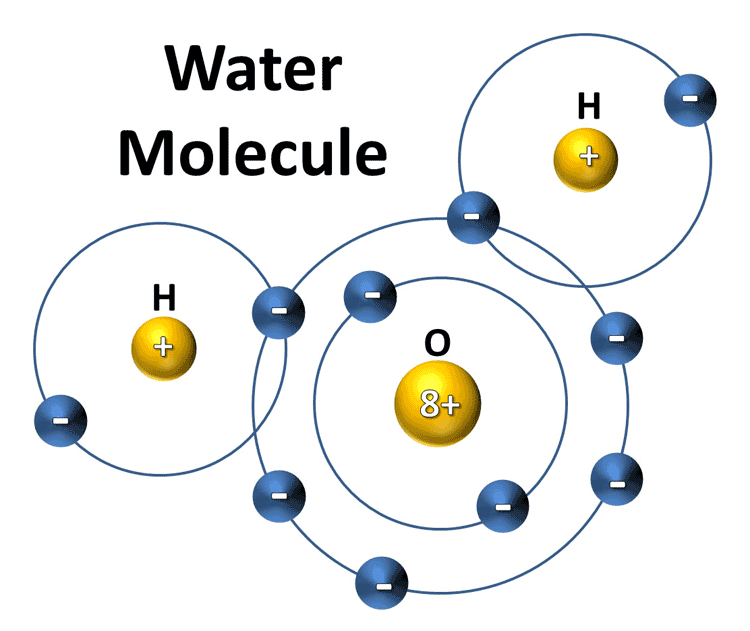
What is the charge of water?
Water is known as a polar molecule because it resembles a magnet with opposite poles (charges) being on opposite sides. This allows water to form bonds with other water molecules. Remember opposites attract. Slightly charged regions of water molecules form hydrogen bonds with other water molecules.

Nonpolar molecules (Oils & fats) do not have charged regions so they are not attracted to polar molecules….water and oil do not mix


H-Bonds formed by attraction between slightly positive hydrogen atom and slightly negative (oxygen) atom.


Properties of water....
Hydrogen bonds give water a high specific heat. This is an important property to have. Inside cells this property allows high energy chemical reactions to happen because these reactions produce a great amount of heat. Water absorbs this heat and helps regulate internal cell temperatures. Hydrogen bonds are formed from opposite charges of a polar molecule, like in the case of water.
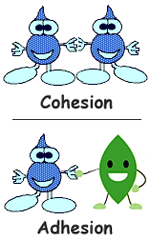


Cohesion: Water molecules sticking to water molecules. Ex: Water forming water droplets.
Adhesion: Water molecules sticking to different source. Ex: Water being transported up the “tubes” of plants.


Many compounds dissolve in H2O....

Important material such as sugar and oxygen cannot be transported from one part of the organism to another without the help of a water based fluid.
Blood is made up of 95% water and carries important material all over your body.

Vocabulary to know
Solute: substance being dissolved. Ex: Glucose


Solvent: substance that dissolves a solute. There is more of a solvent than a solute in a solution. Ex: Blood Plasma


Solution: homogeneous substance formed from the  evenly dissolved solute and solvent mixture.


Where can we use this knowledge....

Some compounds  when dissolved in water (acid)
Other compounds remove a H+ from a solution (base)


Acids pH:1-6; release a H+
Neutral pH:7; neither acidic nor basic
Basic pH:8-14; remove a H+


What happens if you stopped drinking WATER?

Wednesday, September 9, 2015

Chapter 2.3

ection 2.3

To understand basis of life we must analyze an important element at the molecular level....


Carbon's outermost shell can hold 8 electrons so this means carbon can bond with 4 other atoms....Carbon is unique b/c of its bonding properties.


Carbon has a been called the molecule of life because most living things are composed of carbon. Its atomic composition is unique and essential. The 3 basic structures of carbon-based molecules arestraight chain, branched chain, and ring. 

The 4 electrons in its valence shell (outermost shell) allow this element to covalently bond to 4 other elements including other carbons. STRUCTURE IS RELATED TO FUNCTION.


Sometimes carbon forms long chains made up of small sub-units....

Mono-mer: One subunit (1 of something)


Poly-mer: Many subunits (more than 3 of something)

There are 4 main types of carbon-based molecules found in all living things known as BIOMOLECULES....

Carbohydrates (aka sugars and starches)


Carbs are composed of 3 elements Carbon, Hydrogen, and Oxygen or (CHO) and are one of the sources for chemical energy.

Helpful tip: many science terms ending in -ose are considered carbohydrates. Ex: Glucose, Fructose, Sucrose, Cellulose.....Starch?....this is one exception. An easy way of identifying some carbs is by their ring structure


Simple carbs (monomer) are known as monosaccharides (mono=1 and saccharide=sugar)


Complex carbs (polymer) are composed of many monosaccharides linked together to form a chain .....polysaccharides (poly=many)


Lipids (aka fats, oil, cholesterol) 


These biomolecules are composed of Carbon, Hydrogen, and Oxygen or (CHO), but look different than carbohydrates.
Lipids are very important because they make up the membrane of your cells and are used for storing energy.


Helpful tip: fats can be identified by their structure....look at this


 an exception is cholesterol.... 


Proteins

These biomolecules are composed of Carbon, Hydrogen, Oxygen, and Nitrogen or (CHON)


They are composed of amino acids (monomer).


There are 22 essential amino acids all similar in structure....


A monomer of a protein is known as a amino acid. A polymer is known as a protein and are grouped together by bonds known as peptide bonds.


Nucleic Acids


These biomolecules are composed of Carbon, Hydrogen, Oxygen, Nitrogen, and Phosphorus or (CHONP)


The 2 examples are Deoxyribonucleic Acid and Ribonucleic Acid. Both carry genetic information


The monomer for a nucleic acid is called nucleotide and is composed of a....


A polymer looks like this.....and is called a nucleic acid

Tuesday, September 1, 2015

Chapter 1.4

1.4 Bio Tools and Tech

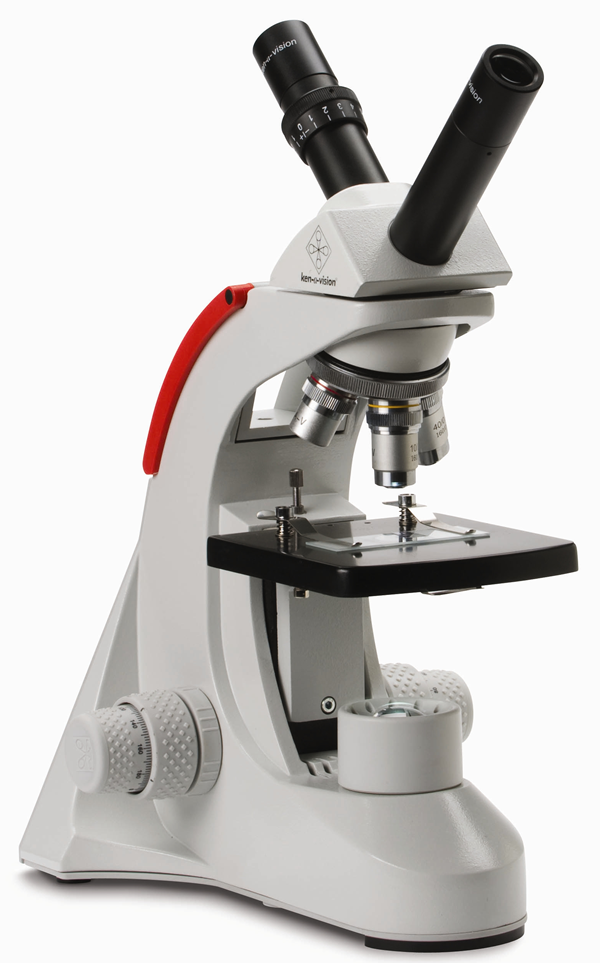
Light Microscope: used to magnify specimens; limited magnification


Scanning Electron Microscope: Deflection of electrons used to magnify specimens; provides high magnification and a three-dimensional image


Transmission Electron Microscope: Electrons passing through a specimen used to magnify specimen; provides high magnification and a two-dimensional image


X-rays Imaging: X-rays passing through tissues used to show dense materials (bones, teeth)


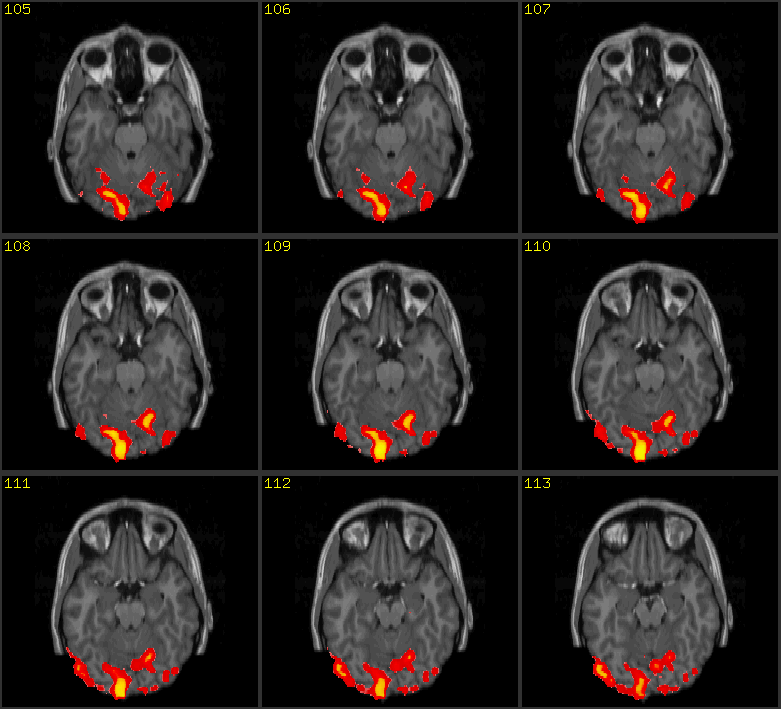
Magnetic Resonance Imaging: Magnetic field used to show all tissues, including soft tissues such as tendons and ligaments 


Functional Magnetic Resonance Imaging: Magnetic field that can be used to shown activity in particular brain regions while a subject is performing a task 


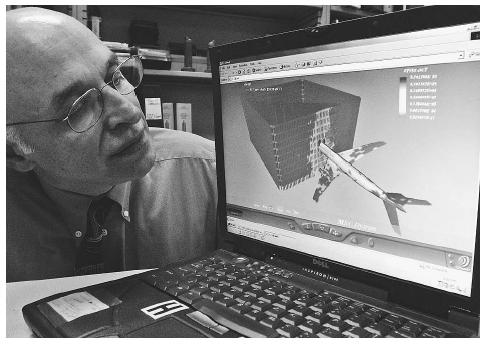
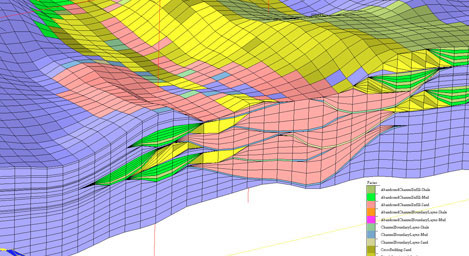
Computer Modeling: Use of computers to simulate complex systems when actual experiments are not possible 


Molecular Genetics: Study and manipulation of DNA at the molecular level